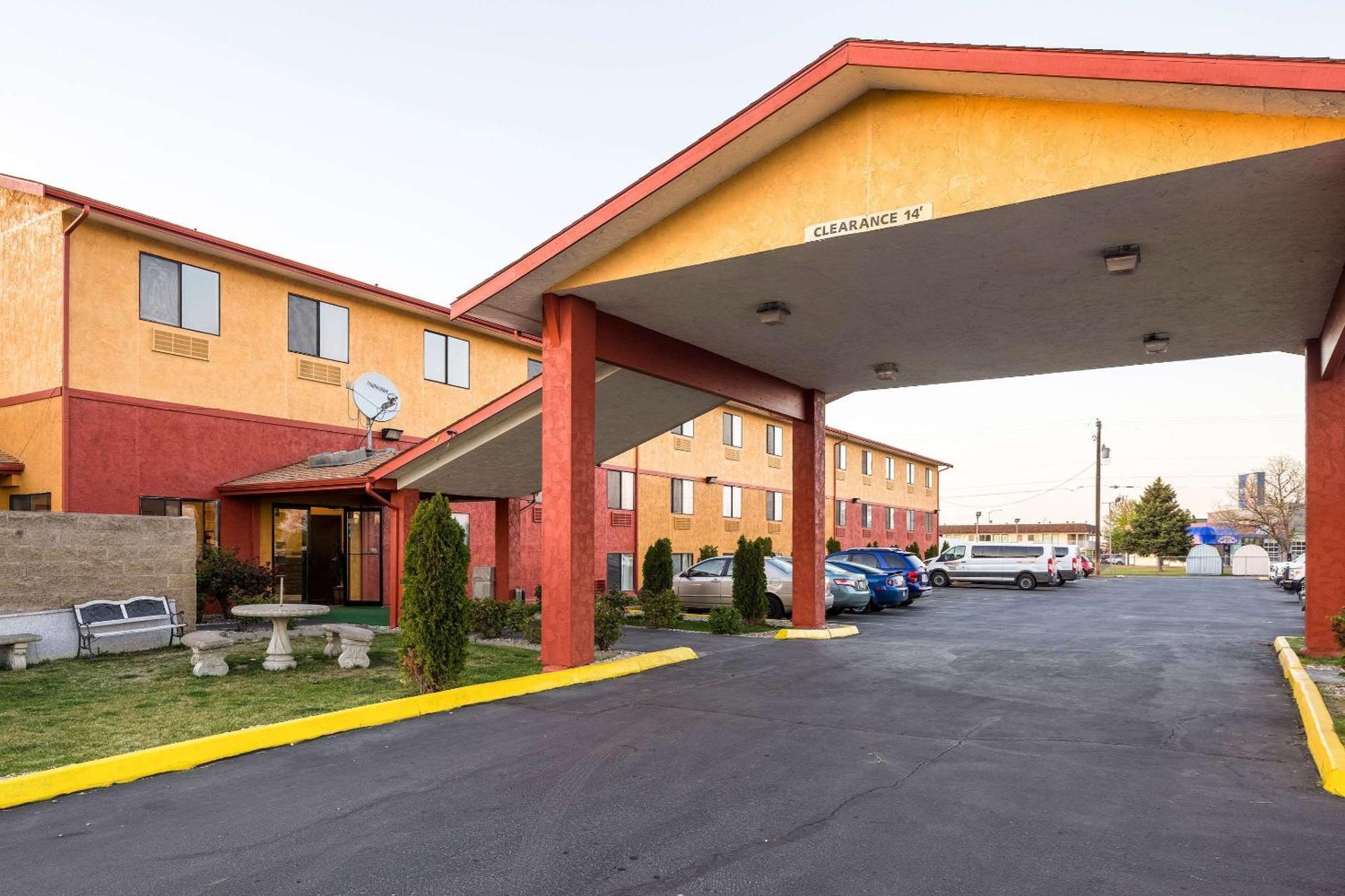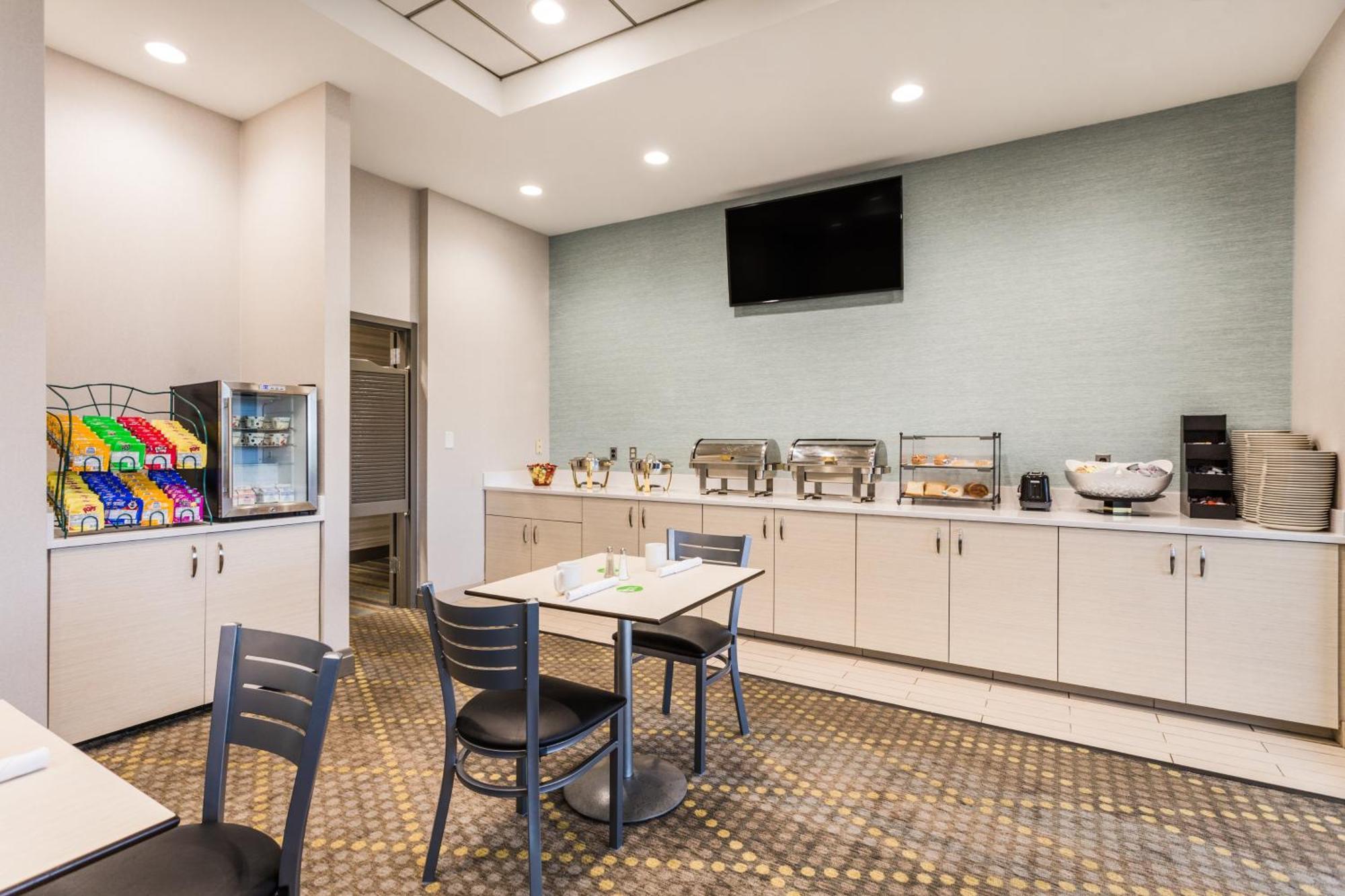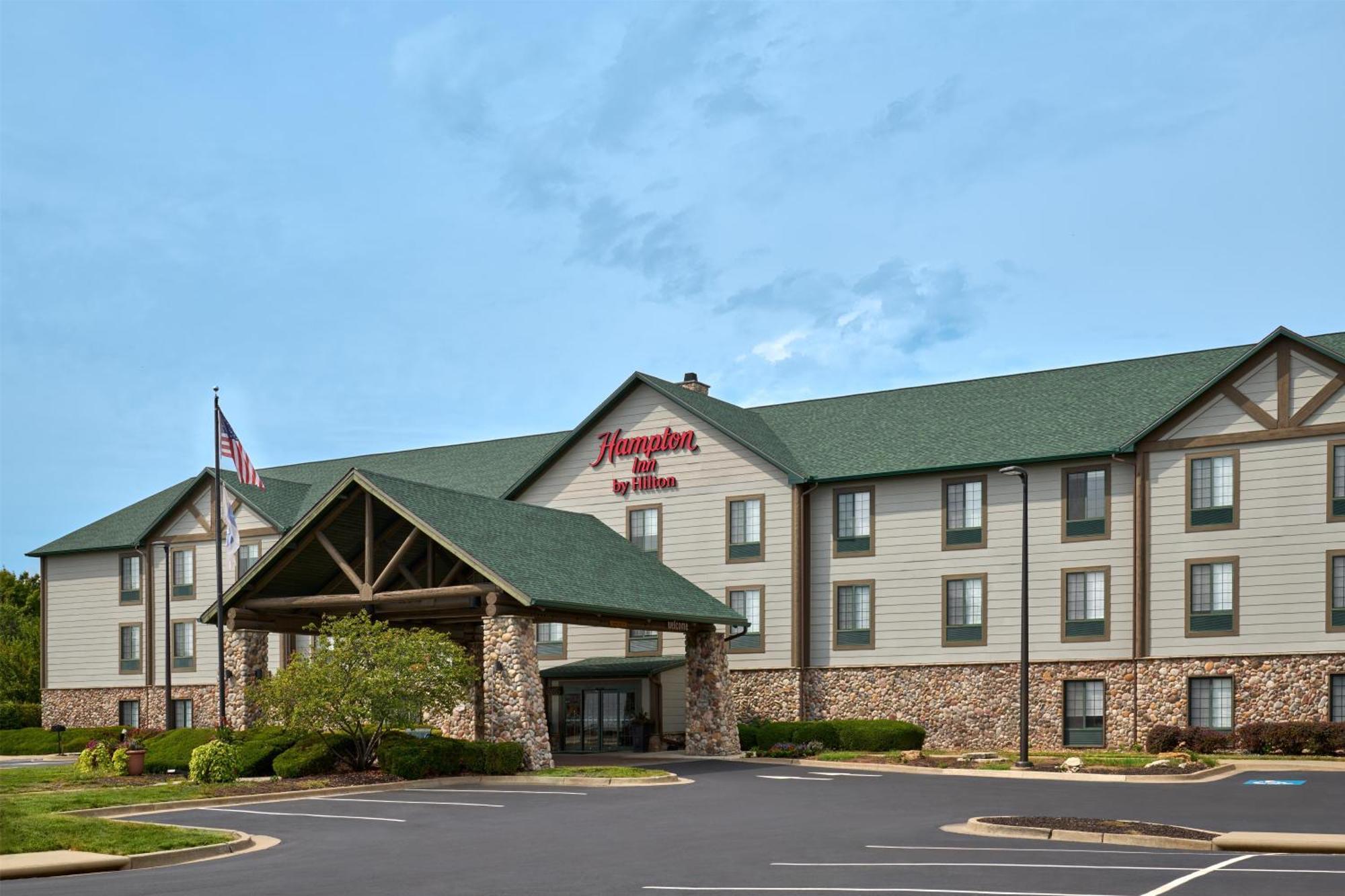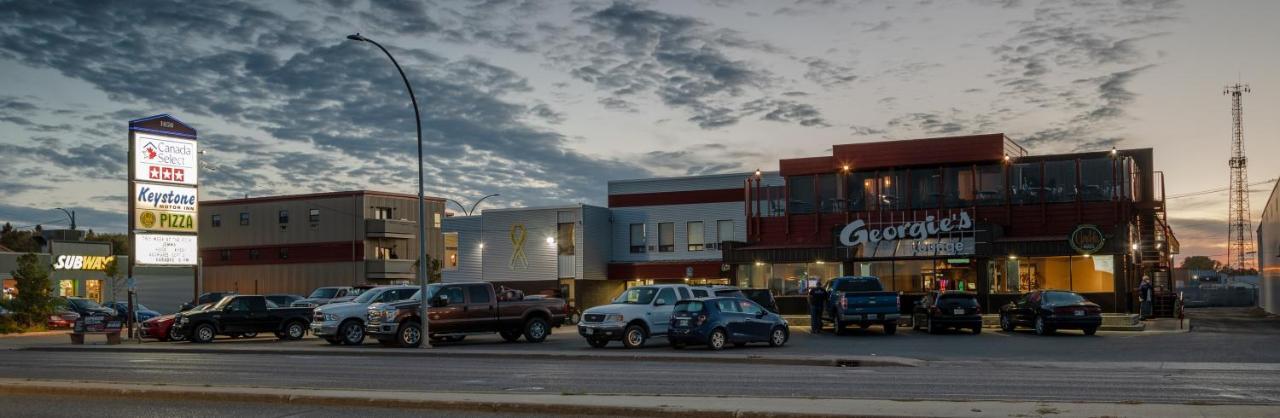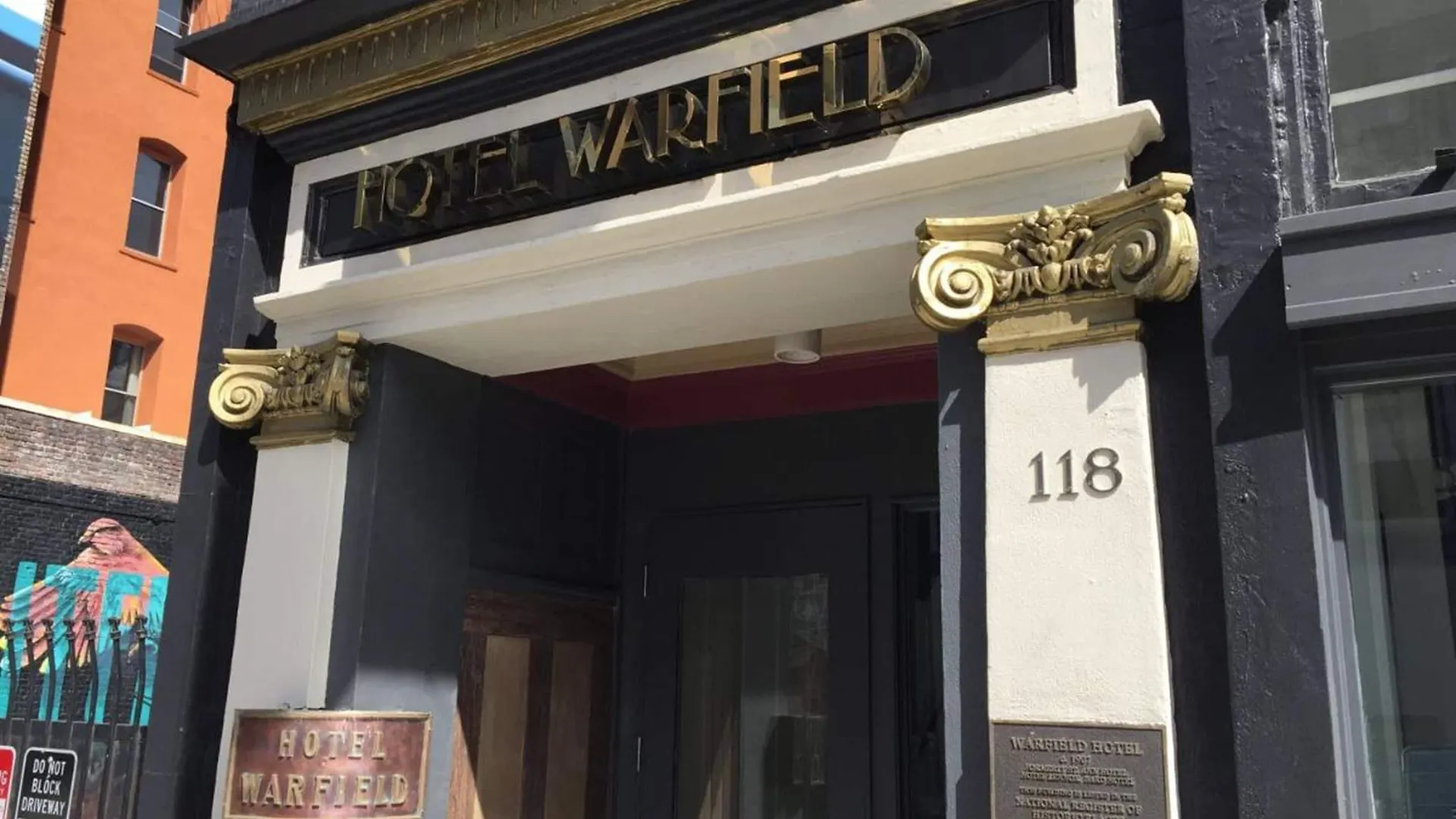
San Francisco's Theater District sits at the intersection of the Tenderloin and Mid-Market corridors, within walking distance of the Warfield, the Golden Gate Theatre, and the SF Jazz Center. Staying here puts you close to some of the city's most active live entertainment venues without the Union Square price premium. This guide covers five 3-star hotels in and around the Theater District - each reviewed for location value, room practicality, and real booking trade-offs.
What It's Like Staying in the Theater District
The Theater District occupies the stretch of Market Street between 6th and 9th Streets, blending heavy foot traffic from commuters, theatergoers, and BART riders throughout the day and into the evening. Foot traffic peaks sharply on weekend nights when shows let out at the Warfield and Golden Gate Theatre, meaning sidewalks fill quickly after 10 PM. Transport access is genuinely excellent - Powell Street and Civic Center BART stations bracket the district, putting you around 20 minutes from the Ferry Building or Fisherman's Wharf by rail. The neighborhood character is urban and unfiltered; travelers who want a sanitized, resort-style experience will find it jarring, while those comfortable with city energy benefit from unmatched central access. Street-level noise is a consistent reality, especially on Market Street itself, so room floor and facing direction matter when booking.
Pros:
Two BART stations within short walking distance give fast rail access across the city
Walking distance to major live venues, Civic Center, and Westfield mall
Noticeably lower nightly rates compared to Union Square hotels one block east
Cons:
Market Street corridor has persistent street-level noise, especially at night
Some blocks in the Tenderloin fringe require awareness after dark
Limited upscale dining options immediately in the district itself
Why Choose 3-Star Hotels in the Theater District
Three-star hotels in the Theater District deliver a workable balance between cost and functionality - you get private bathrooms, free WiFi, and 24-hour front desks without the boutique or luxury markup that nearby Union Square properties carry. Rates at 3-star properties here typically run around 35% lower than comparable Union Square hotels on the same dates, which adds up quickly for multi-night stays. Room sizes in this category are compact by San Francisco standards, generally running under 250 square feet, so guests who prioritize space over location should weigh that trade-off carefully. The category suits theatergoers, convention attendees at Moscone Center, and city-breakers who plan to be out most of the day and need a clean, well-connected base rather than a destination hotel. Most 3-star options here include in-room microwaves and refrigerators, which is a practical edge over some boutique properties that strip out these basics.
Pros:
Lower nightly cost than Union Square or Nob Hill equivalents with similar transit access
In-room kitchen basics (microwave, fridge) available in several properties
Central position cuts cab and rideshare costs for venue-focused trips
Cons:
Room sizes are compact and rarely exceed 250 square feet
On-site dining and amenity packages are limited compared to 4-star competitors
Street-facing rooms on Market Street require noise tolerance or earplugs
Practical Booking & Area Strategy
For the best positioning in this district, properties on or just off Golden Gate Avenue, Turk Street, and the lower Tenderloin blocks of 7th and 8th Streets offer proximity to venues with slightly less Market Street noise exposure. The Powell Street BART station is the critical transit hub - hotels within a 10-minute walk of it give you direct rail access to SFO, the Mission, and downtown Berkeley without rideshare dependency. The Theater District borders Union Square to the east, Civic Center to the west, and the Tenderloin to the north; understanding these borders helps set realistic expectations about the immediate street environment. Moscone Convention Center is around a 15-minute walk south, making these hotels viable for convention attendees who want to avoid convention-rate hotels. Book at least 6 weeks ahead for weekend stays tied to major shows at the Warfield or A.C.T. - rates spike noticeably when sold-out events drive demand. The Westfield San Francisco Center on Market Street is walkable for shopping or dining, and City Hall is reachable on foot in under 10 minutes from most properties here.
Best Value Stays
These properties offer the strongest cost-per-night positioning for Theater District access, with practical in-room amenities and solid transit links that reduce spending on ground transport.
-
1. Warfield Hotel
Show on map


 Check-infrom 15:00 until 23:59Check-outuntil 11:00
Just a few rooms left at the best rate!
fromUS$ 79
-
2. Soma Park Inn
Show on map


 Check-infrom 15:00 until 23:59Check-outuntil 11:00
Just a few rooms left at the best rate!
fromUS$ 82
-
3. Bay Bridge Inn San Francisco
Show on map


 Check-infrom 15:00 until 23:59Check-outuntil 11:00
Hurry – almost gone at this price!
fromUS$ 119
Best Premium Options
These properties offer stronger room features, better-known locations, or distinct character elements that justify a higher nightly rate within the 3-star category near the Theater District.
-
4. The Mosser Hotel
Show on map


 Check-infrom 15:00 until 23:59Check-outuntil 11:00
Hurry – almost gone at this price!
fromUS$ 64
-
5. Nob Hill Inn
Show on map


 Check-infrom 15:00 until 20:00Check-outfrom 07:00 until 11:00
Rooms filling fast – secure the best rate!
fromUS$ 211
Smart Travel & Timing Advice for the Theater District
San Francisco's Theater District sees its sharpest demand spikes between September and November, when the A.C.T. season opens, the Warfield's fall concert schedule runs at full capacity, and business travel to Moscone conventions clusters. Booking at least 6 weeks ahead of any weekend with a major show is a reliable strategy to lock in base rates before dynamic pricing lifts them. Summer months (June through August) bring consistent fog and cooler temperatures to this part of the city, which surprises visitors expecting California warmth - layers are necessary regardless of the calendar date. January and February represent the softest demand window, with rates dropping noticeably and streets quieter on weeknights. Three nights is the practical minimum to cover Union Square, Civic Center, the waterfront, and at least one evening show without feeling rushed. Last-minute bookings in this district rarely produce savings - the limited 3-star inventory here means properties fill faster than in higher-supply zones like Fisherman's Wharf.