
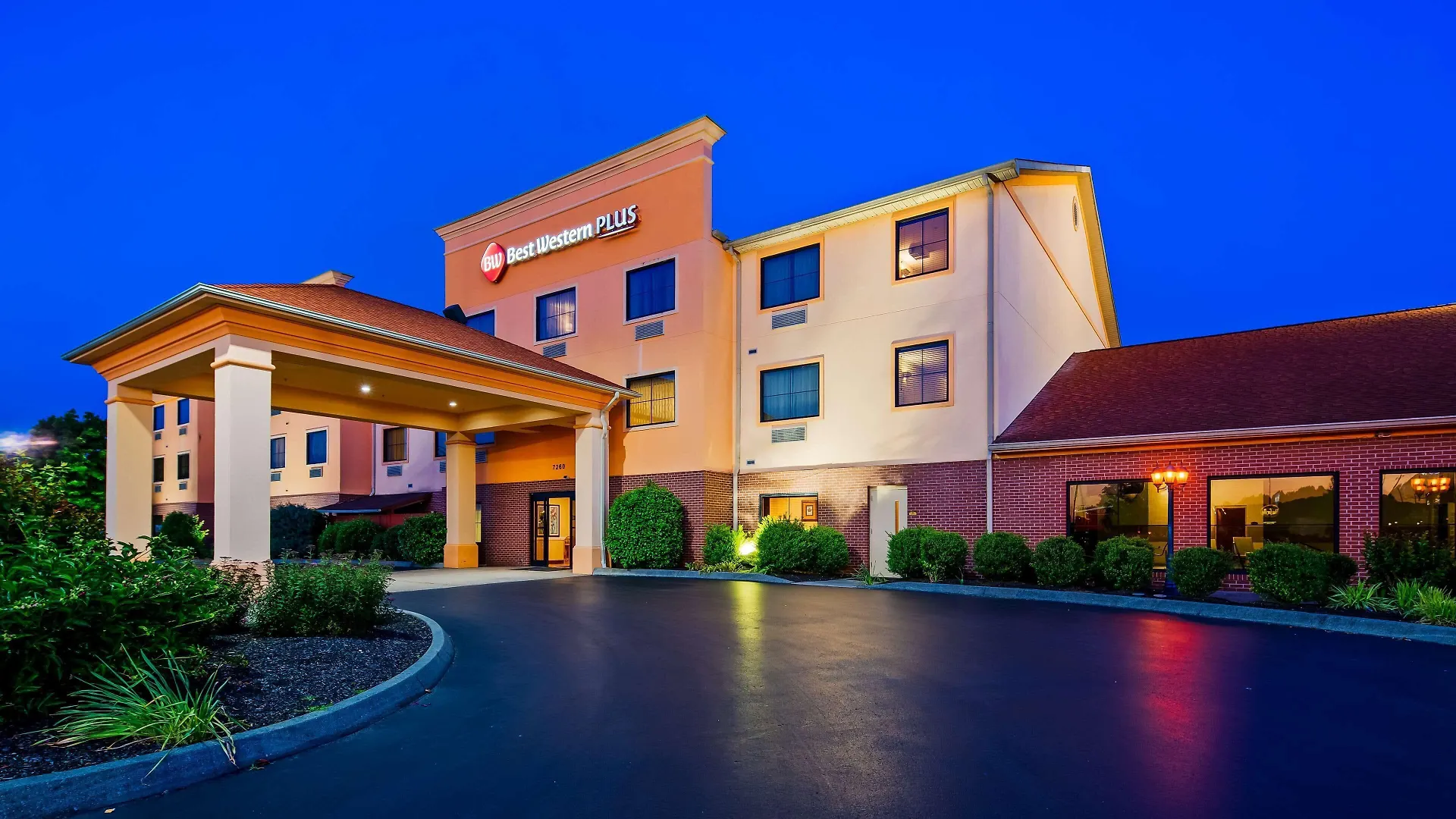
The Appalachian Mountains stretch over 2,000 miles through 14 states, from Alabama to Maine, making hotel location one of the most critical decisions you'll face when planning a trip here. Best Western Plus properties across this corridor offer a consistent mid-range standard - reliable amenities, predictable pricing, and strategic positioning near key trailheads, cultural sites, and regional airports. This guide breaks down the five Best Western Plus options available across the Appalachian region so you can match the right property to your itinerary without guesswork.
What It's Like Staying in the Appalachian Mountains
Staying in the Appalachian Mountains means trading urban convenience for access to one of North America's most diverse natural and cultural corridors - think Blue Ridge Parkway overlooks, white-water rivers, historic small towns, and trails that connect six national parks. Car travel is essentially mandatory in most Appalachian destinations; public transit is sparse or nonexistent outside cities like Knoxville or Burlington. Crowd patterns vary sharply by zone: fall foliage season (late September through October) draws peak volumes across the entire range, while summer months bring family hikers and rafters primarily to the southern Appalachians.
Pros:
Direct access to trail systems, state parks, and scenic drives that are impossible to reach from urban hotel clusters
Mid-range hotels like Best Western Plus properties typically include free parking, which eliminates a real cost friction point in a road-trip-heavy destination
Slower pace and lower density than city-center stays, meaning quieter nights and easier check-in experiences
Cons:
Most attractions require driving - even short hikes often involve around 20 minutes of road travel from town-based hotels
Dining options near suburban Appalachian hotels skew toward chains and fast food, not local cuisine
Seasonal road closures and weather (ice, fog) can disrupt plans, particularly in the higher-elevation stretches of the range
Why Choose Best Western Plus Hotels in the Appalachian Mountains
Best Western Plus is a step above the base Best Western tier, consistently delivering extras like enhanced bedding, fitness centers, indoor pools, and complimentary breakfast - amenities that matter significantly in Appalachian destinations where you're returning from a full day of hiking or driving. Pricing typically falls in the mid-range tier, making these properties more competitive against independent inns and boutique lodges that often charge premium rates for similar or lesser amenities in popular gateway towns. Room sizes in Best Western Plus properties across this region tend to be larger than urban equivalents, with desk space and refrigerators standard - practical for families and longer stays.
Pros:
Standardized amenity baseline (free WiFi, fitness center, breakfast) reduces planning uncertainty across different Appalachian sub-regions
Free parking is nearly universal across this brand tier in the mountains - a tangible saving for road trippers
Indoor pools available at multiple properties extend usability regardless of weather or season
Cons:
Properties are typically located in suburban or highway-adjacent zones, not walkable town centers or trailhead-adjacent spots
The brand aesthetic is functional rather than atmospheric - travelers seeking Appalachian character may prefer independent lodges
Breakfast quality and hours vary by property despite brand standards, with some locations offering fuller buffets than others
Practical Booking & Area Strategy for Appalachian Mountain Hotels
The Appalachian Mountain corridor spans multiple distinct travel zones, and choosing the right city anchor determines your entire trip experience. In the southern Appalachians, Knoxville, Tennessee serves as the primary gateway to Great Smoky Mountains National Park - the most visited national park in the United States - and hotels here fill quickly from late June through October. Morristown, Tennessee offers a quieter alternative around 50 km east of Knoxville, with faster check-ins and lower nightly rates while keeping Smokies access viable. In the northern Appalachians, Burlington, Vermont positions you for Green Mountain trails and Lake Champlain, with the added benefit of a free airport shuttle - a rare feature in this region. Pittsfield, Massachusetts anchors Berkshire Hills access, particularly for visitors combining Tanglewood music events with fall hiking, where demand spikes push rates up by around 40% in peak weeks. Horseheads, New York - near Elmira and Corning - sits in the Finger Lakes-Appalachian overlap zone, within reach of Watkins Glen International and Rockwell Museum, making it a practical stopover on a longer east-coast road trip.
Best Value Stays
These properties offer strong amenity packages relative to their price positioning, with free parking, breakfast, and fitness access included - key considerations for road-trippers and families moving through the Appalachian corridor.
-
1. Best Western Plus Strawberry Inn & Suites
Show on map


 Check-infrom 15:00 until 23:59Check-outuntil 11:00
Just a few rooms left at the best rate!
fromUS$ 147
-
2. Best Western Plus Morristown Conference Center
Show on map


 Check-infrom 15:00 until 23:59Check-outuntil 11:00
Just a few rooms left at the best rate!
fromUS$ 124
-
3. Best Western Plus Horseheads - Elmira
Show on map


 Check-infrom 16:00 until 23:59Check-outuntil 11:00
Hurry – almost gone at this price!
fromUS$ 169
Best Premium Stays
These properties deliver elevated amenity sets - including restaurant dining, multi-pool access, and strong breakfast programs - along with strategic positioning near Appalachian cultural landmarks and regional airports worth the slightly higher rate.
-
4. Best Western Plus Berkshire Hills Inn & Suites
Show on map


 Check-infrom 15:00 until 23:59Check-outuntil 11:00
Hurry – almost gone at this price!
fromUS$ 85
-
5. Best Western Plus Windjammer Inn & Conference Center
Show on map


 Check-infrom 15:00 until 23:59Check-outuntil 11:00
Rooms filling fast – secure the best rate!
fromUS$ 112
Smart Travel & Timing Advice for the Appalachian Mountains
Fall foliage season - mid-September through late October - is the single busiest travel window across the entire Appalachian range, with hotel rates and occupancy peaking simultaneously from Georgia to Vermont. Booking at least 6 weeks ahead during this window is not optional in gateway towns like Knoxville, Morristown, or Pittsfield. Summer (June through August) brings heavy traffic to the southern Appalachians around the Smokies, while the northern properties in Burlington and Horseheads see more moderate summer demand. Winter travel is viable for visitors targeting ski areas and ice climbing near Burlington, but higher-elevation routes can close without notice. Spring (April through early June) offers the best combination of lower rates, fewer crowds, and wildflower blooms along trails - prices can run around 30% lower than peak fall rates at properties like the Morristown and Horseheads locations. A minimum stay of 3 nights makes sense at any of these properties to justify the driving logistics of the region; shorter stays often leave key attractions unreached.


